
When safety is on the line, the fabric you choose for personal protective equipment (PPE)…

The Role of High-Performance Textile in the Semiconductor Industry
The semiconductor industry demands precision, innovation, and relentless efficiency. As chip manufacturing evolves, the materials supporting these processes must meet increasingly complex technical and environmental requirements. High-performance textiles are rising to this challenge, proving essential in cleanroom environments, equipment protection, and the development of smart and functional fabrics.
From cleanroom-compatible materials to advanced coatings and smart fabrics, technical textiles are being engineered not only for performance but also for sustainability. These materials help reduce contamination, extend equipment lifespan, and support intelligent systems, making them indispensable in a sector where failure is not an option.
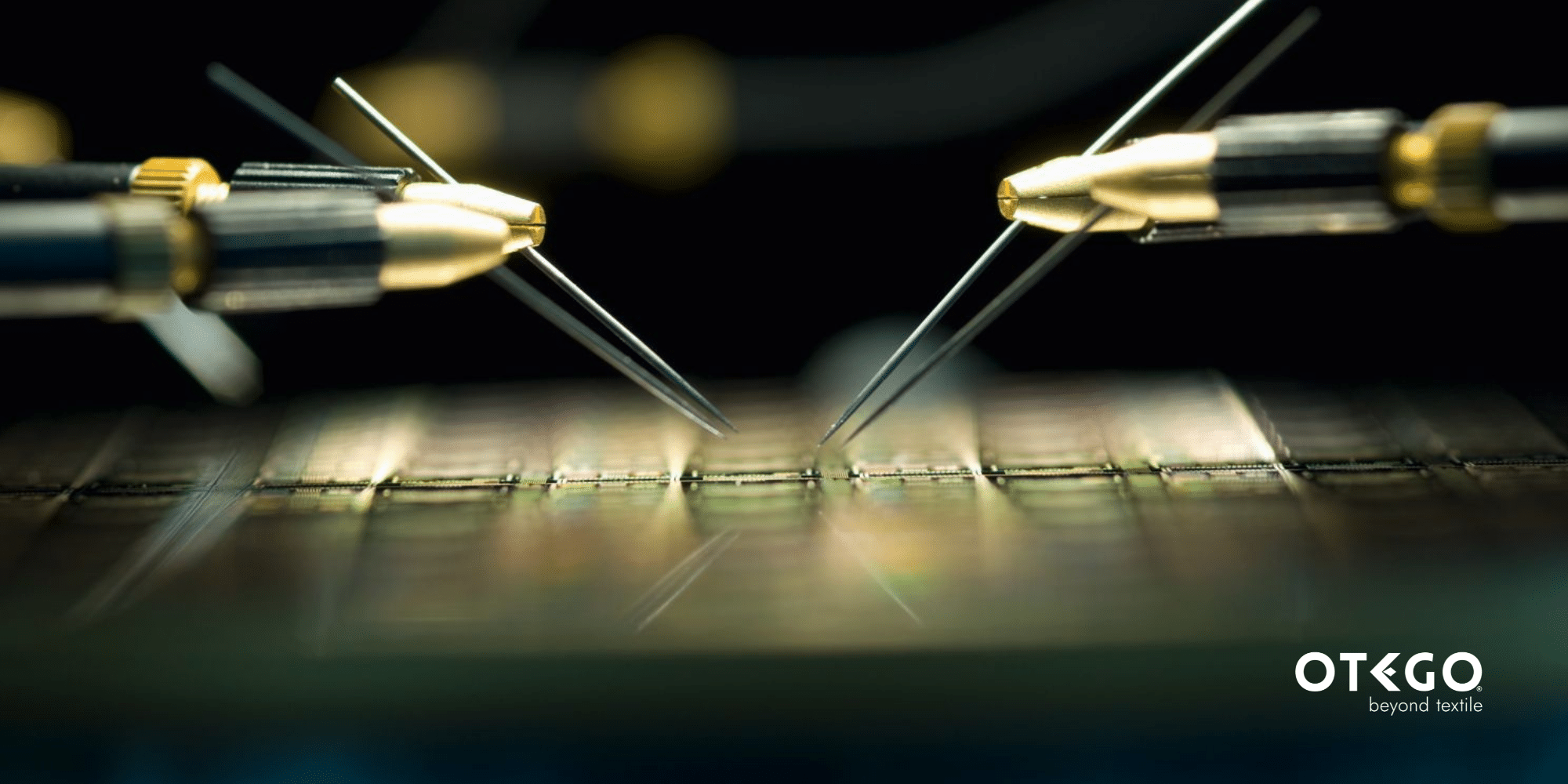
Cleanroom Applications: High-Performance Textiles for Contamination Control
Contamination control is paramount in semiconductor cleanrooms, where even microscopic particles can disrupt production. High-performance cleanroom textiles are engineered for strict compliance with ISO cleanroom standards, offering superior protection and long-term durability.
Key Properties of Cleanroom-Compatible Textiles
To perform reliably in cleanroom environments, technical fabrics must offer:
- Low particle shedding to minimize contamination
- Chemical resistance to withstand cleaning agents
- Thermal stability across sterilization cycles
- Durability under repeated bleach-based sterilization
These properties ensure consistent cleanliness, protect sensitive components, and reduce downtime caused by contamination events.
Cleanroom Textile Applications:
- Cleanroom garments are designed to minimize fibre release
- Light-tight enclosures that protect sensitive semiconductor equipment
- Cleanroom-compatible lifting straps and tool support webbing built for strength and long-term use
Whether woven or non-woven, these textiles are engineered for strength, cleanliness, and long-term reliability.
Advanced Materials and Technical Fabrics
Material science innovations are shaping the next generation of high-performance textiles. By utilizing advanced fibers combined with polymer coating and lamination technology manufacturers can create lightweight and chemically resistant fabrics for semiconductor, aerospace, and medical applications.
At OTEGO, we design and produce cleanroom-compatible technical fabrics that combine thermal stability, chemical resistance, and low particulate release to meet the stringent demands of semiconductor manufacturing, helping our partners maintain compliance, enhance operational efficiency, and support sustainable industry growth.
Protective Textiles for Semiconductor Equipment Reliability
Precision machinery in semiconductor fabs must be protected against dust, abrasion, chemicals, and thermal stress. Protective technical textiles serve as barriers to extend equipment life, minimize maintenance, and prevent costly failures.
Equipment Protection & Longevity
High-performance textile covers are engineered to shield semiconductor machinery to:
- Prevent dust and particulate accumulation
- Resist chemical degradation
- Withstand high temperatures and mechanical wear
These covers reduce maintenance frequency and enhance equipment reliability in cleanrooms and high-heat process areas.
Thermal and Functional Performance
In high-temperature zones such as wafer baking, etching, or lithography, technical fabrics with thermal insulation and flame resistance are vital. These materials protect both machines and personnel while maintaining dimensional and chemical integrity over time.
Tailored Textile Solutions
Custom textile components, ranging from conductive fabrics to insulative barriers, are used for:
- Static dissipation
- Thermal shielding
- Component separation or isolation
Each textile is engineered with precise strength, weight, and resistance specifications to meet demanding semiconductor production requirements.
Common Technical Textiles Used in Semiconductor Manufacturing
- Aramid Fibers: Known for high strength-to-weight ratio and used in protective clothing, cable sleeving, and insulation wraps.
- Carbon Fibers: Provide lightweight strength and are ideal for structural components needing high tensile strength.
- Glass Fibers: Offer excellent thermal resistance; widely used in insulation and fire-resistant fabrics.
- Polyethylene (PE) & Polypropylene (PP): Popular in nonwoven textiles, offering chemical resistance and cost-effectiveness.
- Polyurethane (PU): Used in coatings for waterproof textiles, footwear, and protective gear.
- Polyamide (Nylon): Valued for durability and abrasion resistance in industrial covers and heavy-duty applications.
These textiles support the cleanroom infrastructure and production systems that make up modern semiconductor manufacturing environments.
Smart Textiles: Integrating Semiconductor Fibers into High-Performance Fabrics
The merging of textile technology and electronics has led to the creation of semiconductor-integrated smart textiles. These fabrics embed semiconductor fibres or printed components to deliver intelligent features like real-time sensing, data communication, and environmental monitoring.
Fabrication and Innovation Challenges
Developing defect-free, flexible semiconductor fibers that can integrate with traditional woven and nonwoven textiles is a technical challenge. These fibers must:
- Maintain conductivity and electronic function
- Survive textile manufacturing processes
- Remain durable during use
Recent advancements in materials engineering have made large-scale production more viable, improving fiber uniformity, durability, and performance.
Smart Textile Applications in Semiconductor and Beyond
- Wearable electronics for health and safety monitoring
- Environmental sensing fabrics for cleanrooms and labs
- Interactive protective gear for enhanced safety and mobility
These smart fabrics enable multifunctional performance, advancing sustainability, flexibility, and user experience across industries such as medical, aerospace, and transportation.
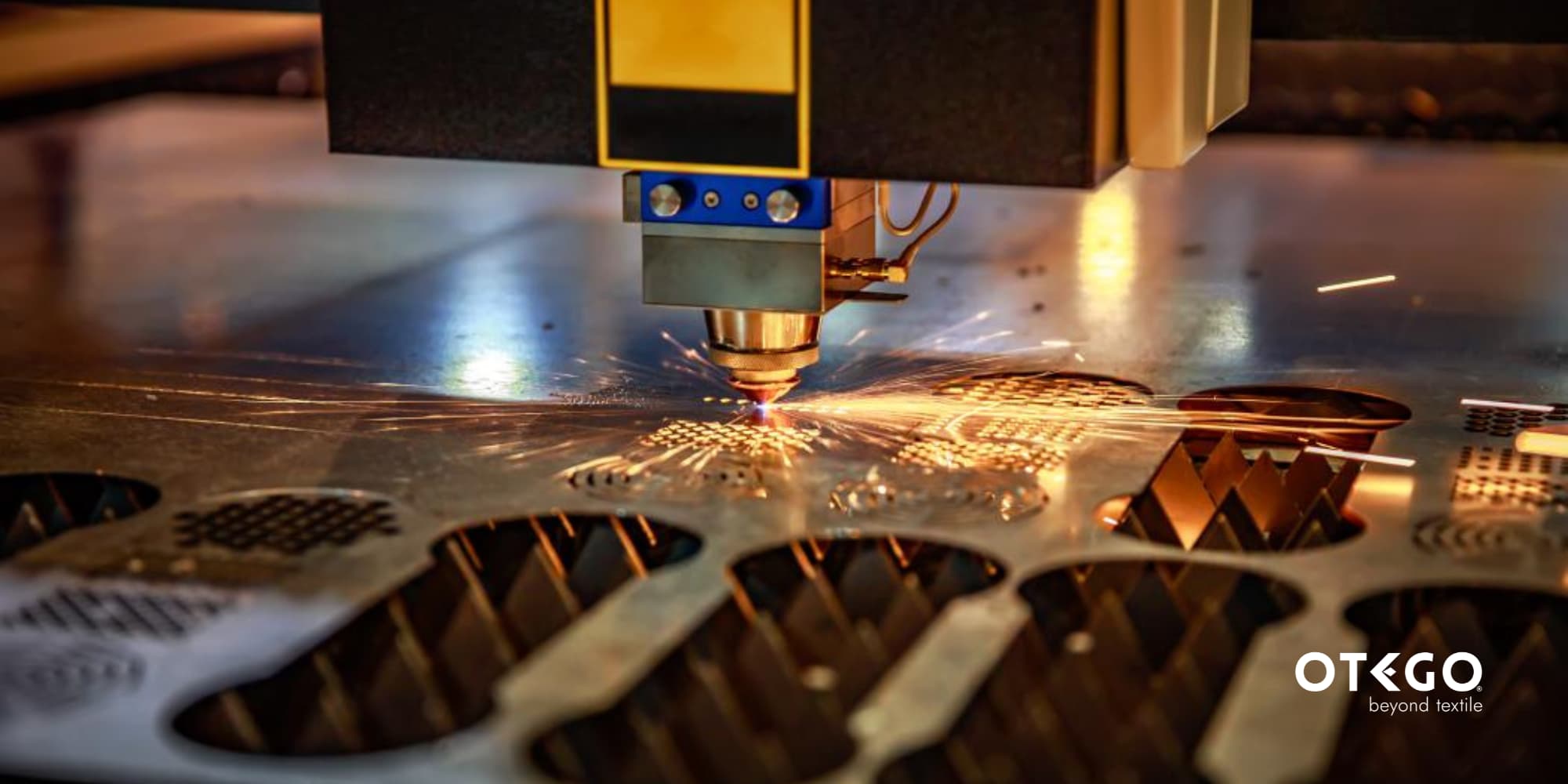
Printed Electronics and Smart Systems for Semiconductor-Related Uses
Printed electronics enable circuits to be applied onto textile materials using conductive inks, creating lightweight, durable, and cost-effective solutions. These high-performance textiles maintain their functionality through washing, wear, and environmental exposure, making them ideal for industrial applications where reliability is critical.
In semiconductor manufacturing environments, smart textiles can monitor ambient conditions, detect chemical leaks, or support worker safety through integrated health sensors. Their flexibility, thermal stability, and scalability make them particularly suited for deployment in cleanrooms, equipment covers, and protective clothing.
The Future of High-Performance Textiles in the Semiconductor Industry
As the semiconductor industry continues to evolve, the role of high-performance textiles is becoming increasingly strategic. No longer limited to traditional uses, these technical fabrics now serve as critical enablers across cleanroom environments, equipment protection, and emerging smart applications. These fabrics enable cleaner, safer, and more efficient operations by combining:
- Thermal stability
- Chemical resistance
- Static control
- Durability
At OTEGO, we specialize in developing advanced technical fabrics designed to meet the rigorous demands of the semiconductor sector and beyond. With over 70 years of expertise in technical coatings, laminates, and performance fabrics, we help global industries meet their precision, compliance, and sustainability targets. Learn more about our capabilities and commitment to innovation here.
Contact us to find the right textile solution for your cleanroom, equipment, or smart textile application.
Related Posts