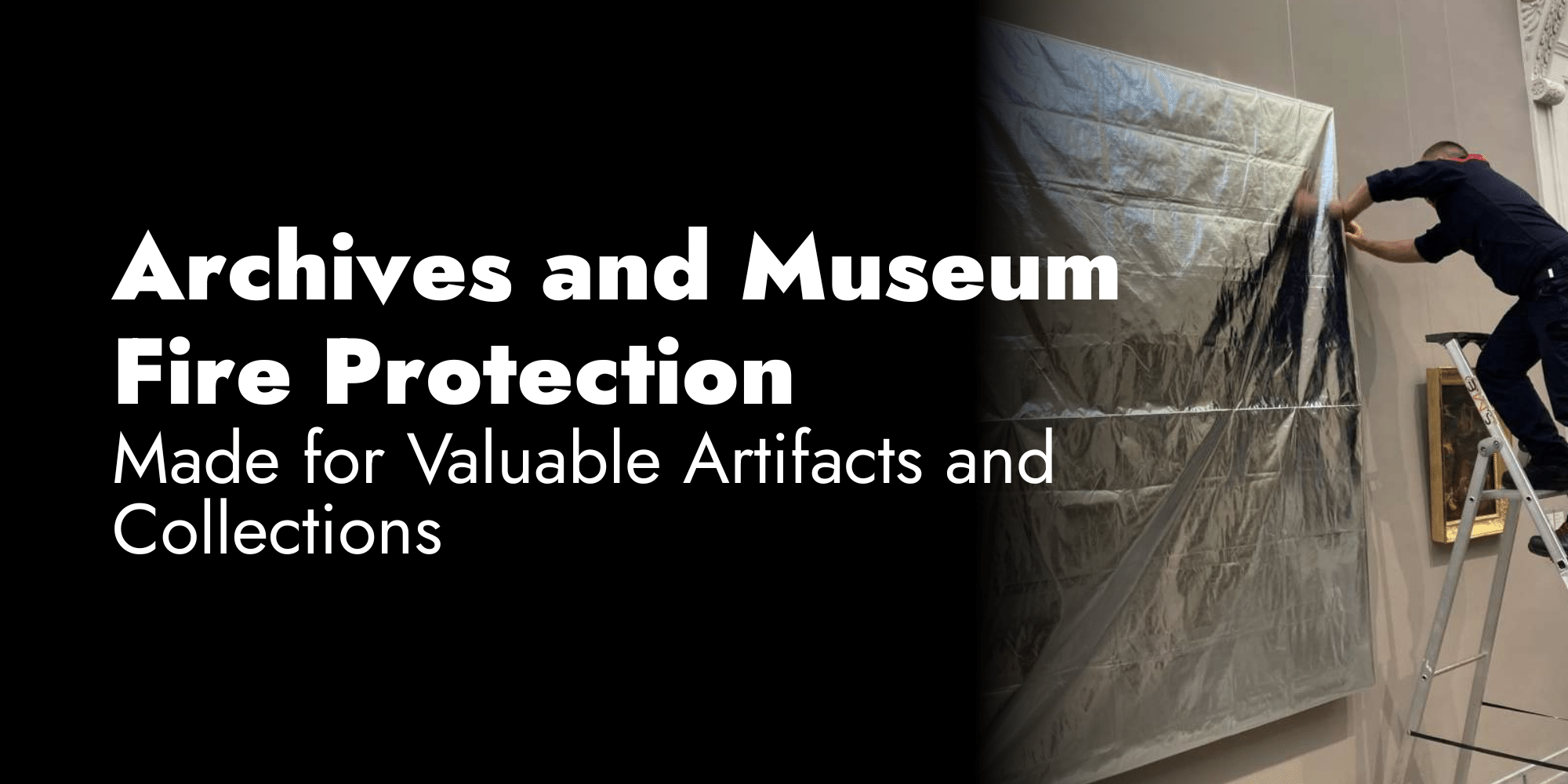
Museums and archives house irreplaceable artifacts, historical documents, and cultural treasures, but fire remains one…
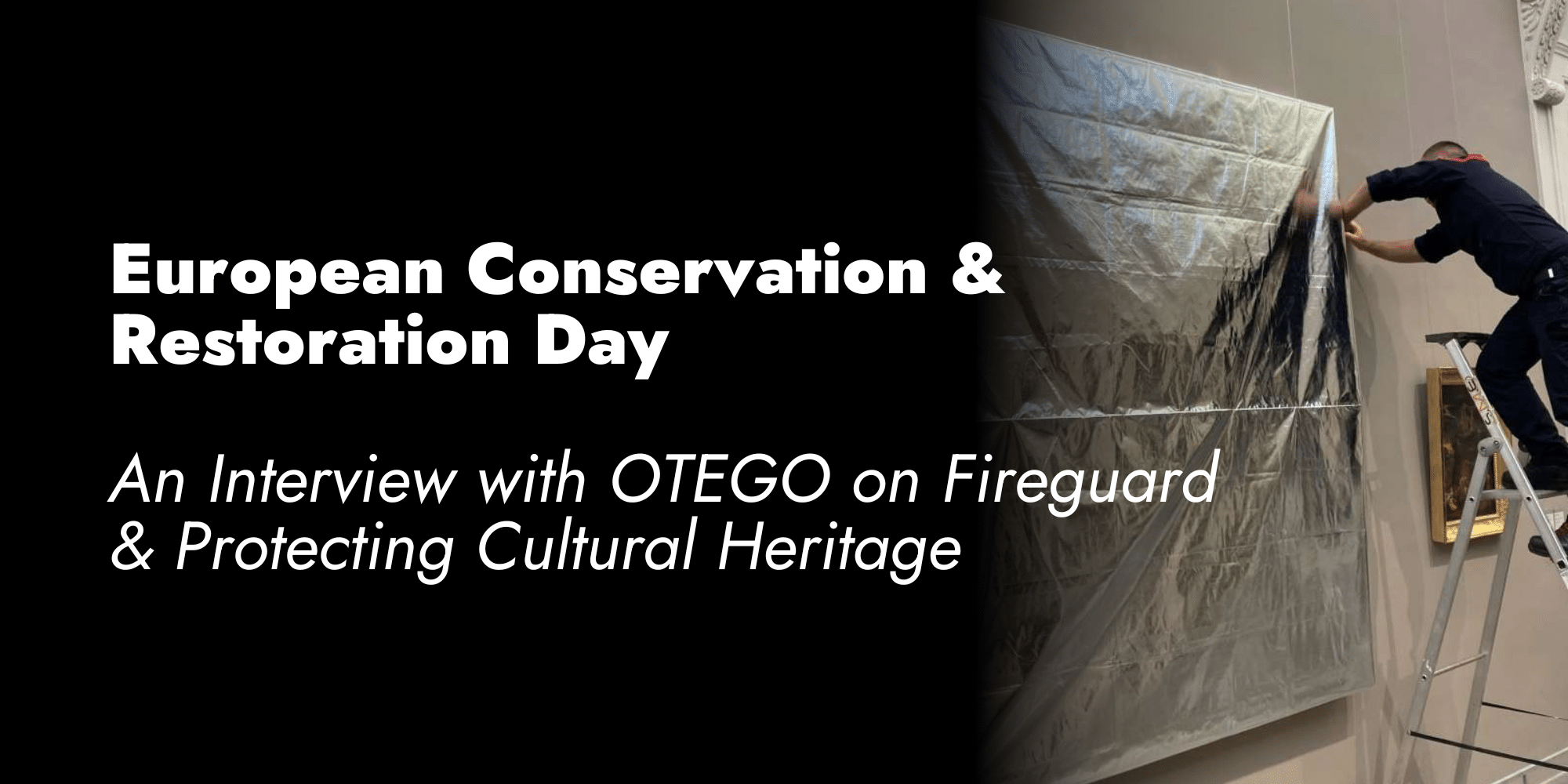
How OTEGO is Protecting Cultural Heritage: An Interview with Grégoire Bernand on FIREGUARD®
In recent years, Europe has faced a rising number of emergencies threatening its cultural heritage, from devasting fires to floods and climate-related disasters. Major events like the fire at Notre-Dame in Paris, the floods in Valencia, or wildfires near historical sites have shown how vulnerable artworks, monuments, and archives can be.
Every October, cultural institutions, firefighters, and preservation experts come together for the European Day for Conservation & Restoration, a moment to reflect on what can be done before disasters strike. In this context, new protective solutions have become an essential part of emergency planning for museums and cultural sites.
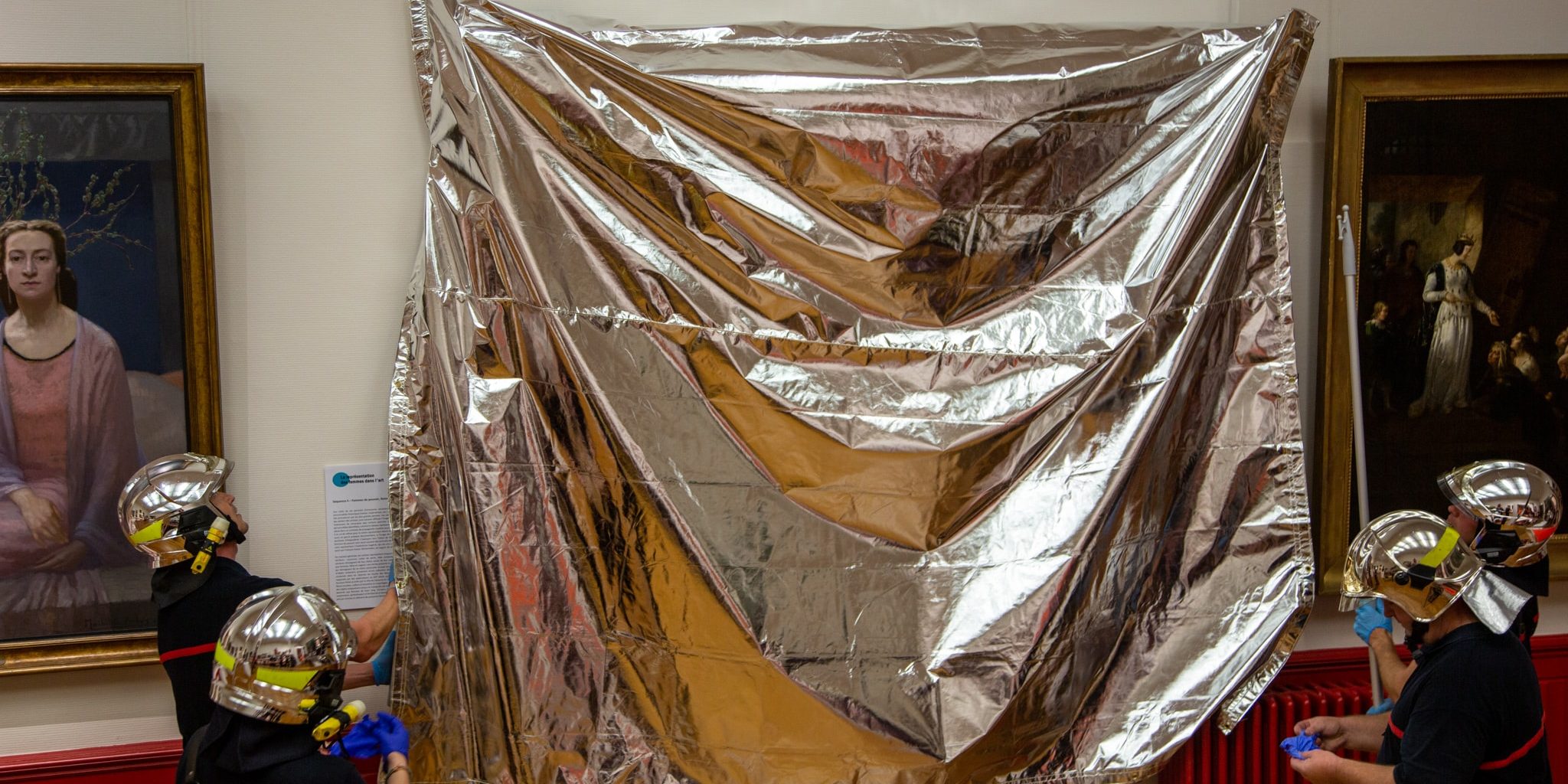
Among these solutions, FIREGUARD® by OTEGO has earned the trust of leading museums and institutions in France and beyond. Designed to shield artworks from the intense heat of fires, it has become a practical tool for those on the front line of heritage protection.
At the center of this work is Grégoire Bernand, Cultural Heritage Manager at OTEGO, who collaborates closely with museums and fire brigades to bring real, workable protection into their emergency response plans. In this interview, he talks about how Fireguard began, its growing role in Europe’s conservation efforts, and why preventive action matters more than ever.
OTEGO’s Personal Journey with Fireguard
Q: How did OTEGO first get involved in cultural heritage protection and the Fireguard project?
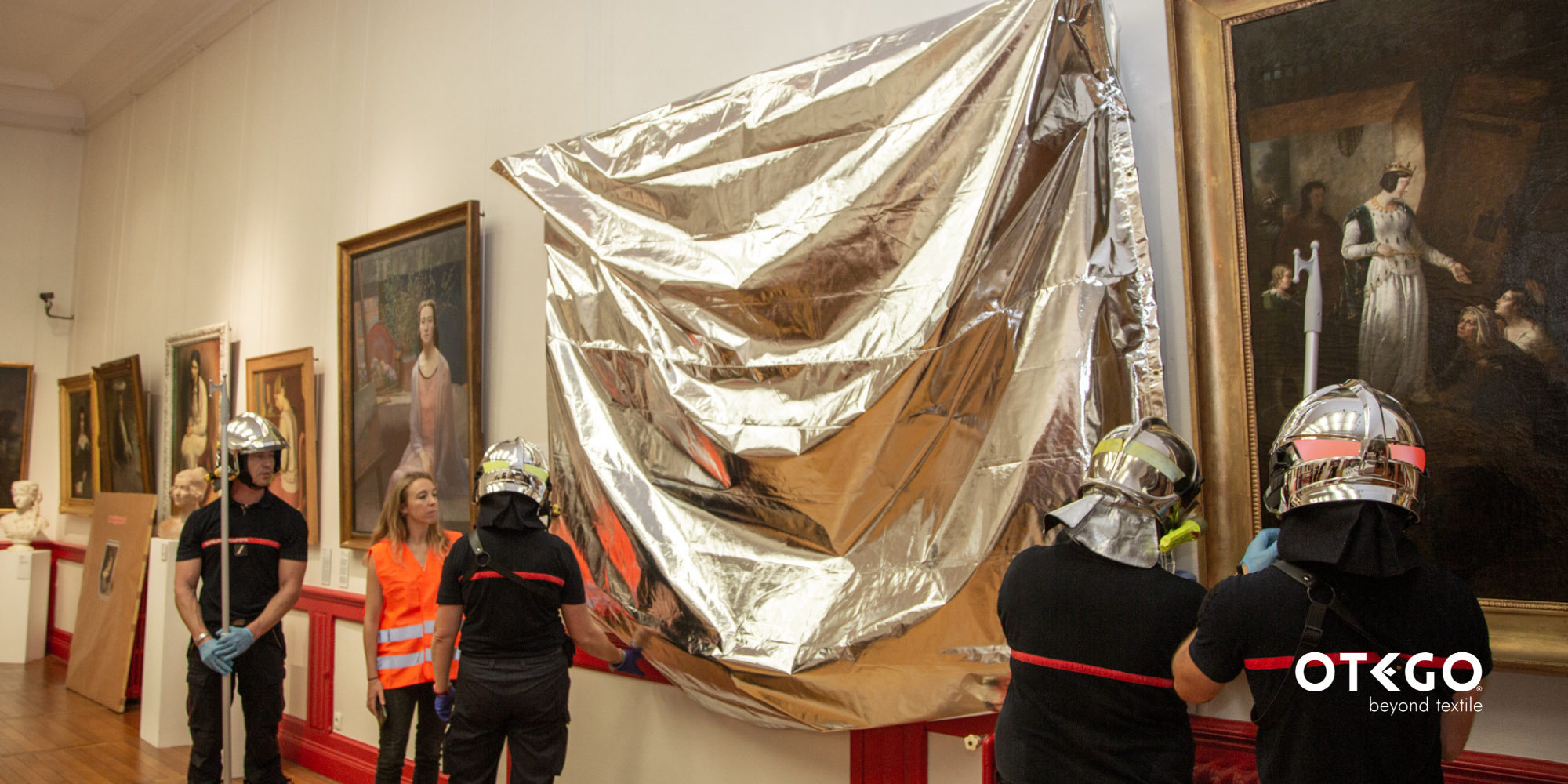
Grégoire: The story really begins with OTEGO. Years ago, the Louvre Museum approached the company to ask if we had a fabric capable of protecting collections during emergencies. This request led OTEGO to collaborate directly with cultural institutions and firefighters to develop something entirely new, a lightweight and efficient cover that could be deployed quickly in the event of a fire.
I joined OTEGO about three and a half years ago as the first person fully dedicated to cultural heritage protection. Since then, my main mission has been to promote Fireguard and ensure more institutions and private collectors are equipped to protect their collections.
Q: What does European conservation and restoration mean to OTEGO as a company, and to you personally?
Grégoire: For OTEGO, this goes beyond a technical solution. Europe is where the company was born and where many of the world’s most significant cultural collections are located. The Notre-Dame fire in particular was a turning point: it made clear to many institutions that having protective measures in place is no longer optional.
That’s why OTEGO invests heavily in developing solutions like Fireguard, so that when a fire or flood happens, heritage professionals have real tools to act fast. This day, European Conservation & Restoration Day, is a reminder that we’re part of a larger ecosystem working together to safeguard cultural heritage.
On a personal level, cultural heritage is part of who we are. It carries the identity, history, and stories of communities. Protecting it is protecting memory.
Development & Innovation
Q: What makes Fireguard different from other protective solutions?
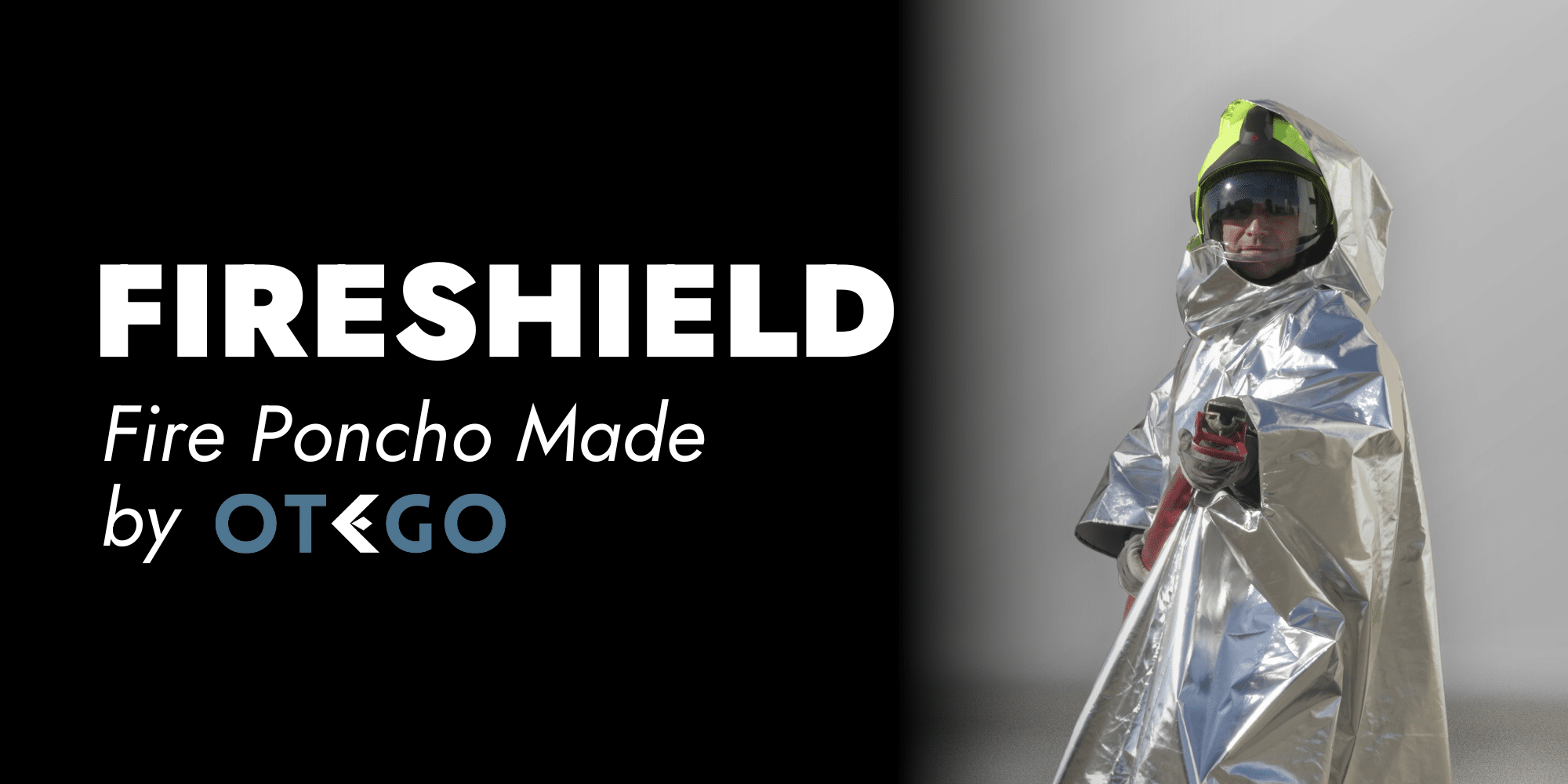
Grégoire: Before Fireguard, most covers were heavy, rigid, and did not reflect radiant heat, which is actually the main cause of damage before flames reach the artwork. We created Fireguard to be lightweight (135 g/m²), flexible, aluminized, and easy to handle in real emergencies. It is designed to help museums, brigades, and conservators protect priority works on site, not just after the fact.
Q: How did Fireguard gain the trust of cultural institutions?
Grégoire: The turning point was when major French institutions, including the Louvre and the French National Library, adopted it. From there, it reached international museums such as the Victoria & Albert in London and the Vasa Museum in Sweden.
Seeing it tested and validated by institutions proved that it is not just a concept, it is a practical, operational tool.
Europe’s Role in Conservation
Q: Why is Europe such a key player in cultural heritage protection, and how does Fireguard fit in?
Grégoire: Europe, and particularly France, has some of the most advanced conservation frameworks in the world. Since the Notre-Dame fire, there’s been a major push toward preparedness.
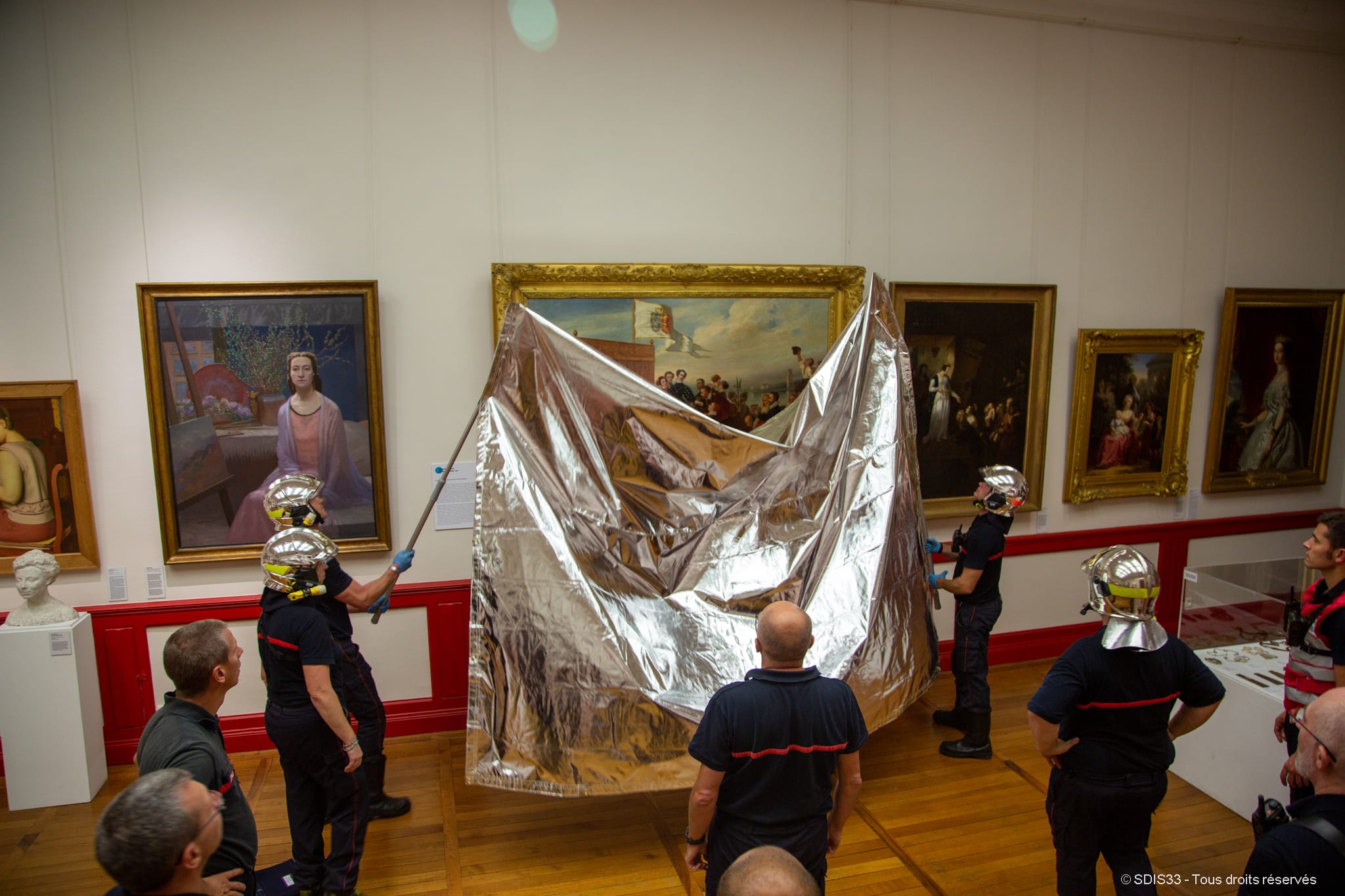
Every French fire brigade now has a firefighter dedicated to cultural heritage. The French Blue Shield Committee is among the most active worldwide. This strong institutional structure has made Europe a model for other regions.
Fireguard fits naturally into this ecosystem: it supports existing emergency plans, salvage strategies, and prevention protocols, helping institutions protect artworks that can’t be evacuated.
Impact & Future Vision
Q: Can you share a real example where Fireguard made a difference?
Grégoire: A strong example is the church fire in Montpellier. A nearby museum equipped with Fireguard brought the covers to the firefighters, who used them to protect key objects like the organ.
The covers helped limit soot and water damage. That moment showed exactly why prevention matters, it gives teams the ability to act immediately and protect what cannot be replaced.
Q: How do you see Fireguard’s role evolving in the coming years?
Grégoire: OTEGO’s vision has always been to make preventive protection accessible and practical. Since Notre-Dame, awareness across Europe has grown rapidly, but the demand is now global.
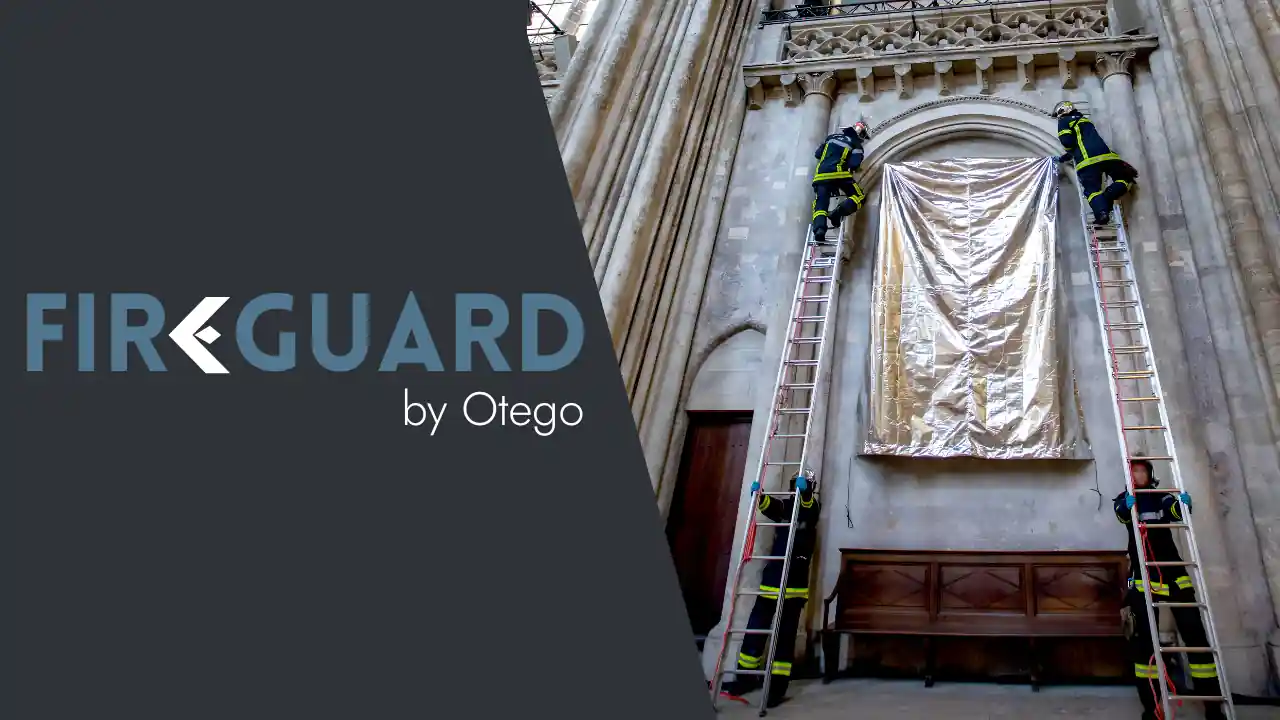
Our goal is to continue expanding Fireguard’s reach, not only for institutions but also for private collectors who want the same level of protection for their collections. We have developed two main models, Fireguard H for paintings and flat works, and Fireguard S for sculptures and vertical objects, and we keep refining them based on direct feedback from museums and brigades in the field
OTEGO’s Commitment to Protecting Cultural Heritage
As Europe continues to set the pace in cultural heritage protection, OTEGO is proud to be part of this shared commitment to act before history is lost. Fireguard reflects that vision, combining technical innovation with real-world application to help museums, institutions, and first responders respond faster and more effectively when emergencies occur.
“For us, it’s not just about a product,” says Grégoire. “It’s about contributing to the preservation of history, protecting what cannot be replaced.”
To learn more about how FIREGUARD® can support your emergency preparedness strategy, contact us at info@otegotextile.com.
Related Posts